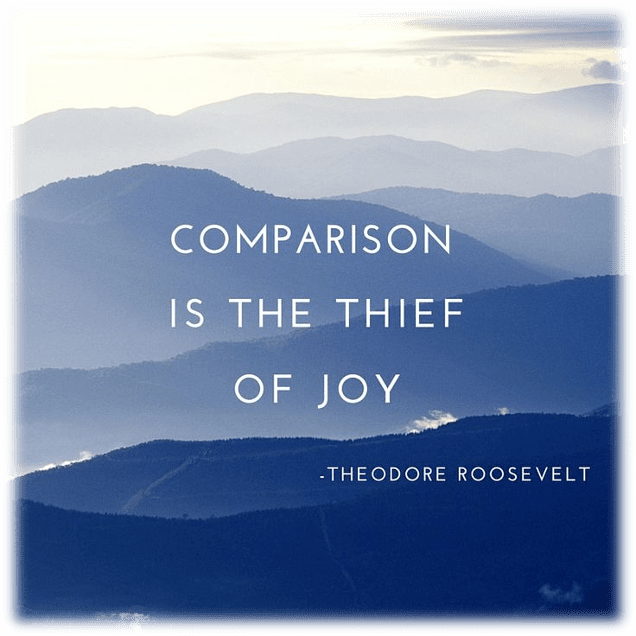
In a modern world obsessed with the validation of others, it’s important to maintain your own sense of worth and not jeopardise it by basing your assessment of your value on how others see you.
Social media is one of the greatest developments of the modern era, allowing people across the globe to maintain contact, keep up-to-date with breaking news and allow people the freedom to explore the world from the comforts of their own homes. But it also has a lot to answer for in terms of self-esteem.
The introduction of the ‘like’ function shifted the user’s focus from ‘showing others what I’m doing or feeling’ to ‘how do others feel about what I’m doing or feeling?’ Giving over the power of emotion to others.
What you enjoyed, naively unaware of how others were receiving your posts and photos, now became available for others to consciously or subconsciously provide their opinion on.
- Did people like your post because they felt they had to as your friend?
- Did they not like it because they didn’t agree with it or simply because they’re not drawn into incessantly liking everything on their feed?
- Did they not like it because they knew you’d notice their lack of public support?
The list is endless!
We became slaves to the like button, judging our own experiences and thoughts on the clicks of others. Sometimes removing the post if it didn’t hit the requisite numbers of interactions in a certain period of time.
So why not take back control? Ignore the likes that your posts get. Focus on the feeling you had with the experience that you are posting about, rather than the manner in which it is received.
It made you happy and you wanted to share.
It doesn’t matter how others received it.




 What Next?